
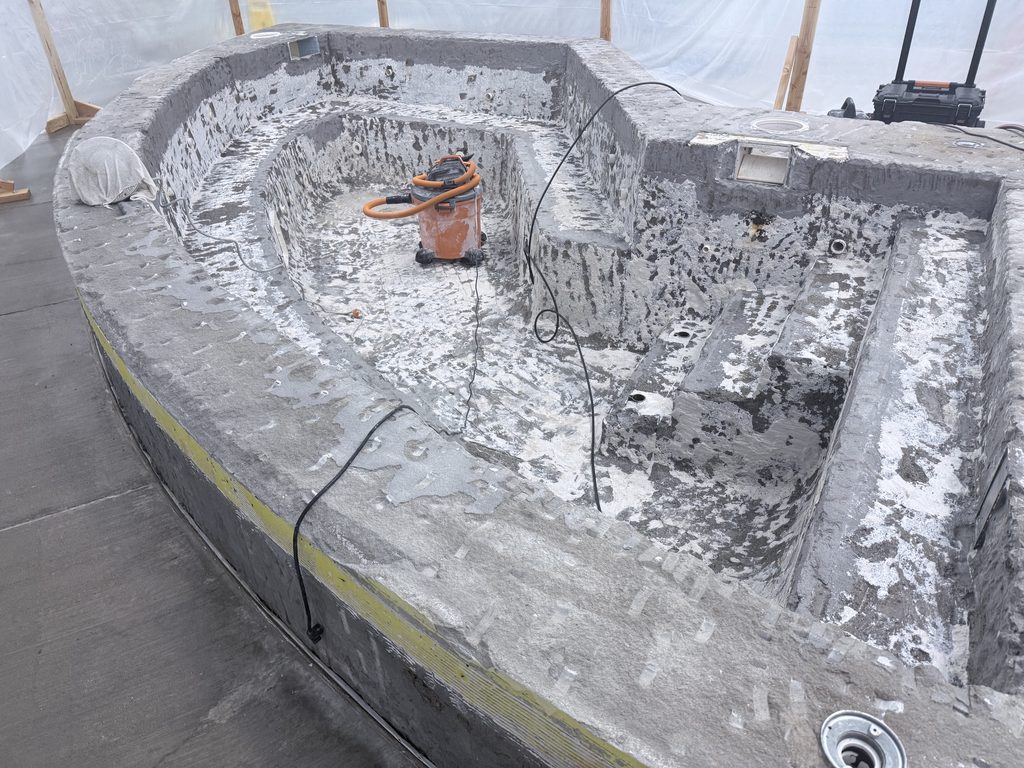
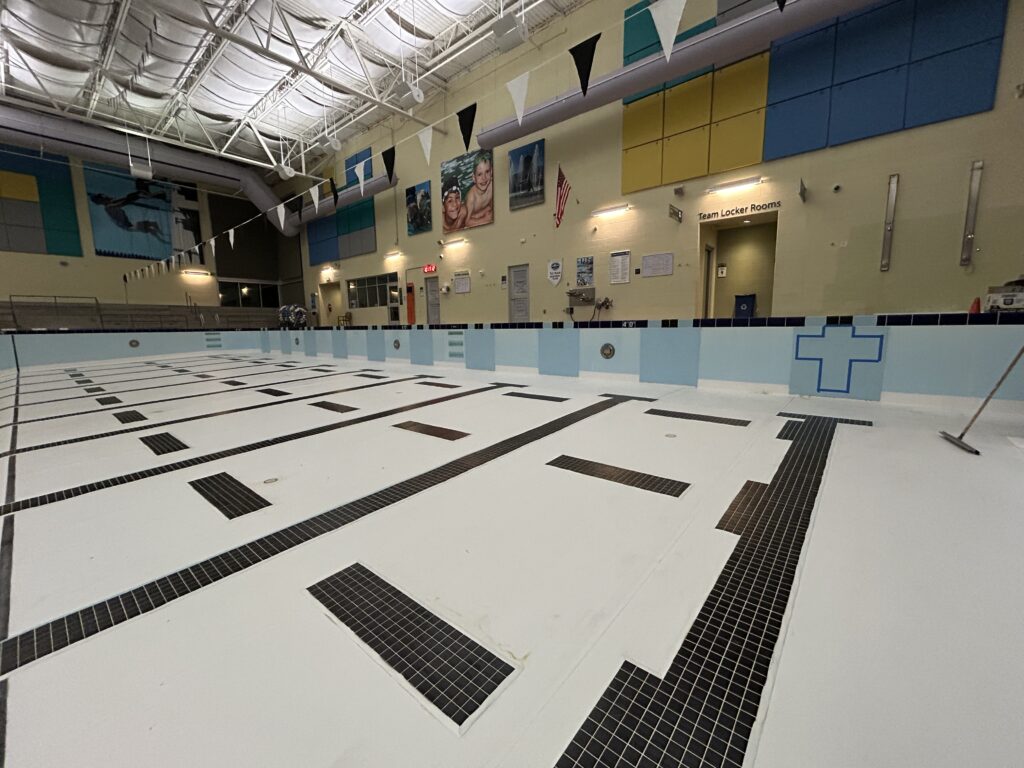
Complete Surface Demolition
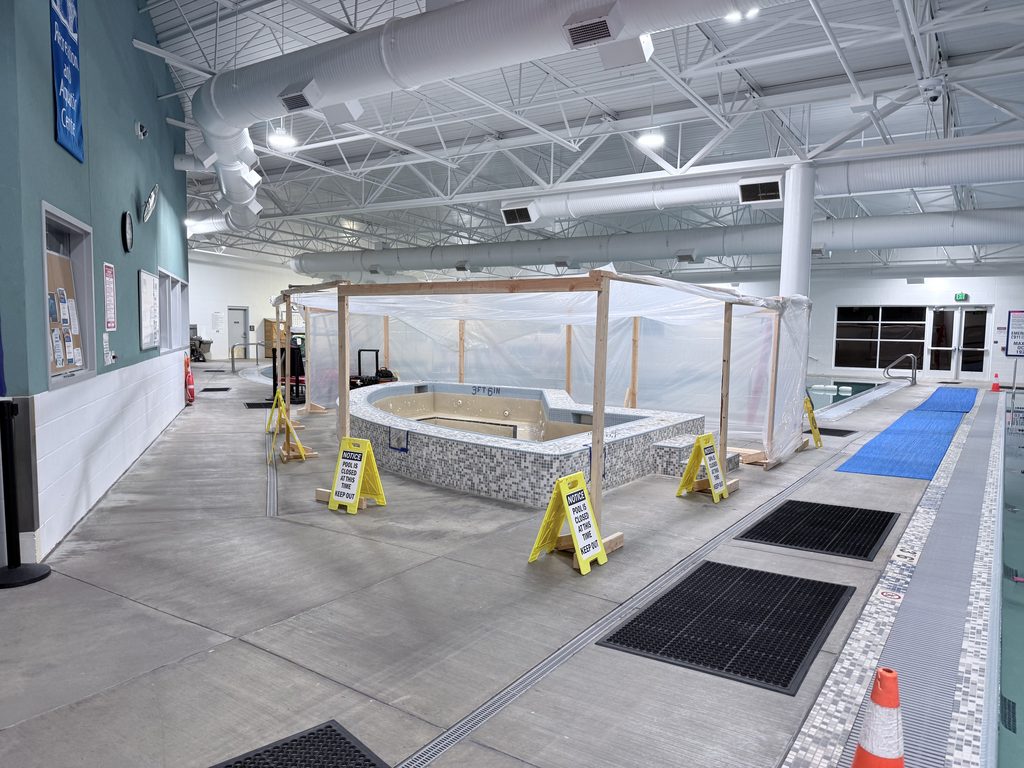
Full removal of a failed pool surface down to sound substrate. Clean demolition is what makes the following bond coat and finish last.
Portfolio
Recent project photos, finish details, and field conditions from pool and spa work across Oregon and southwest Washington — demolition and site prep, plumbing and equipment, tile and liners, and the everyday service that keeps a pool running. Click any image to take a closer look.
About This Work
We do not publish staged marketing shots. These are working photos from real jobs.
Black Coral Aquatics handles both ends of a pool’s life: new construction and the long tail of repair, renovation, and maintenance that follows. On any given week that means a full surface demolition on one site, a re-plumb and equipment-pad rebuild on another, and routine chemistry and filter service on a dozen more.
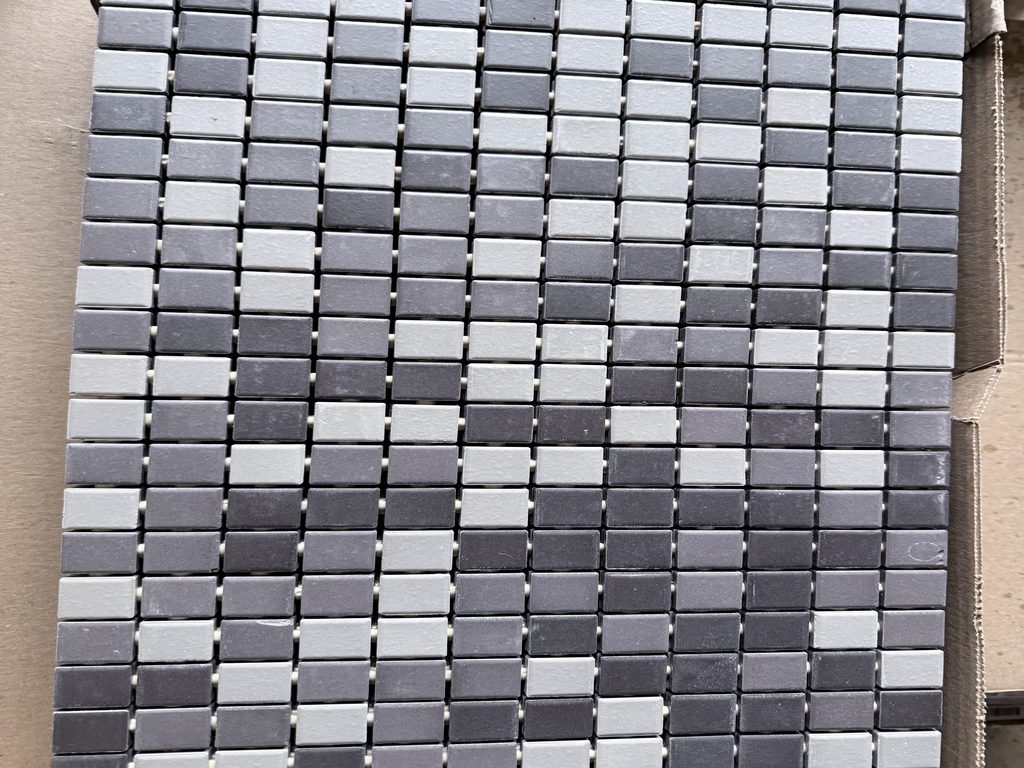
The images below are grouped loosely by the kind of work — structural and demolition, plumbing and equipment, and finish and service — so you can see how a project actually comes together rather than just the final result. If you are weighing a renovation or a new build and want to see work comparable to yours, get in touch and we can walk through relevant projects in more detail.
How A Project Comes Together
An aging pool usually needs more than a new surface. We assess the shell, plumbing, equipment, and deck as one system, then scope the work so the parts that fail first — bond coat, tile, skimmers, worn valves — are addressed together rather than in a string of separate visits. The demolition and worksite photos above are the start of that process.
Ground-up builds move from layout and excavation through steel, plumbing, shotcrete, tile and coping, interior finish, and equipment startup. Hydraulic design happens before any pipe goes in the ground: pipe diameters, suction and return velocities, and skimmer and main-drain balance are worked out so the finished system filters the whole pool quietly and efficiently.
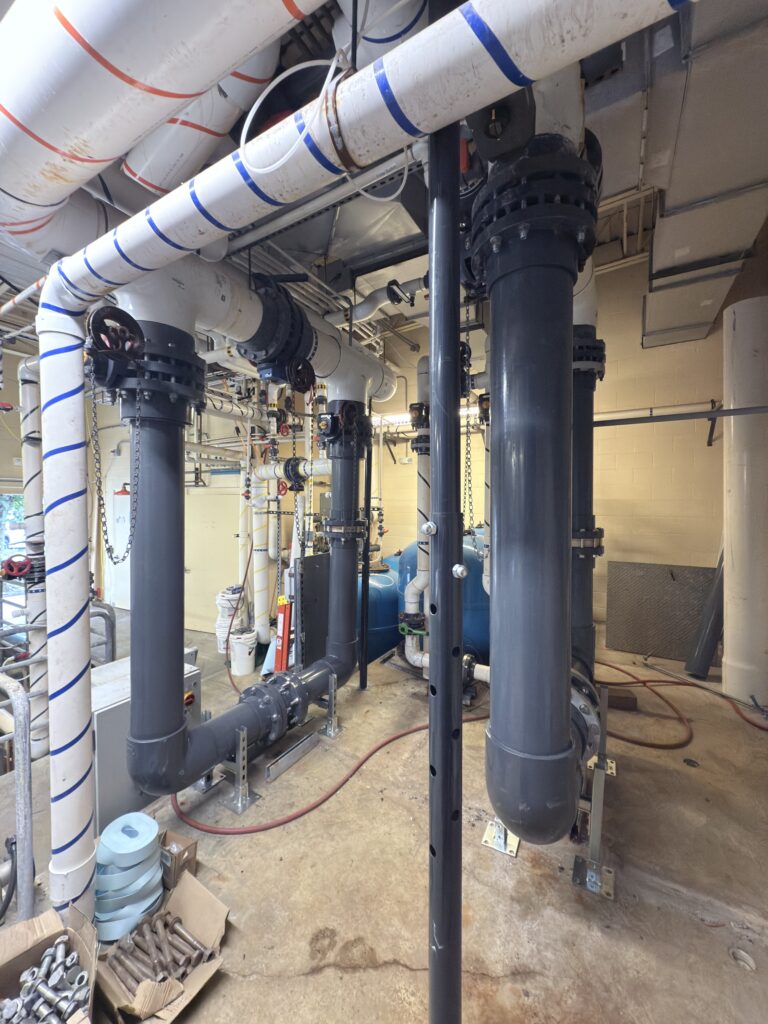
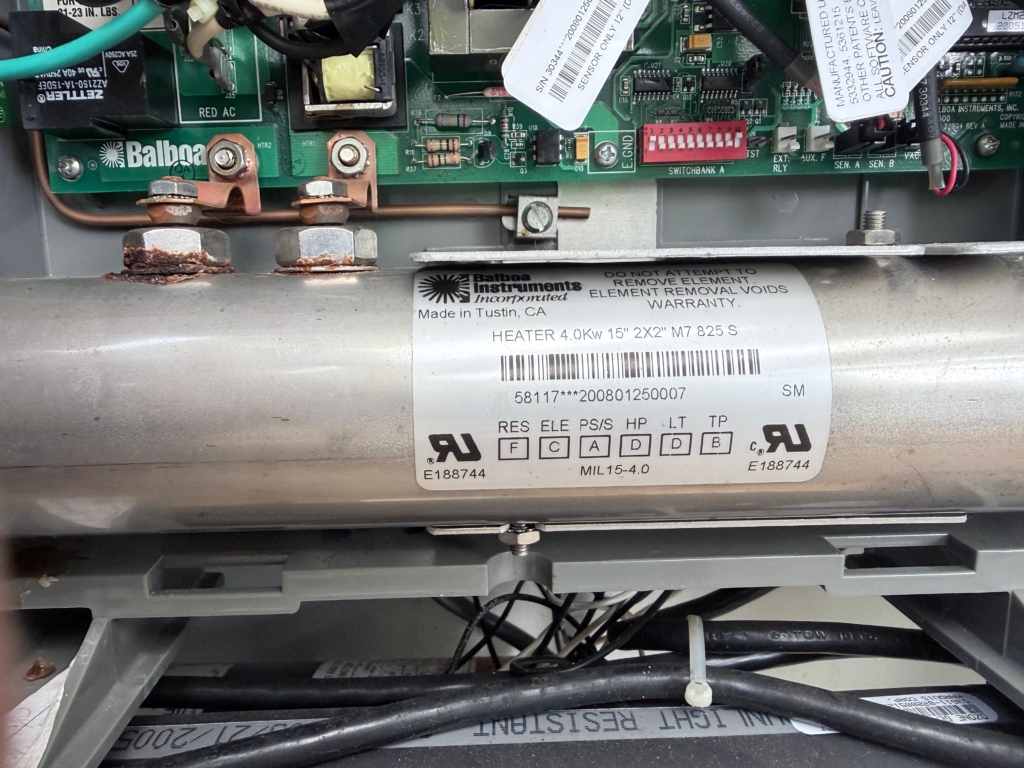
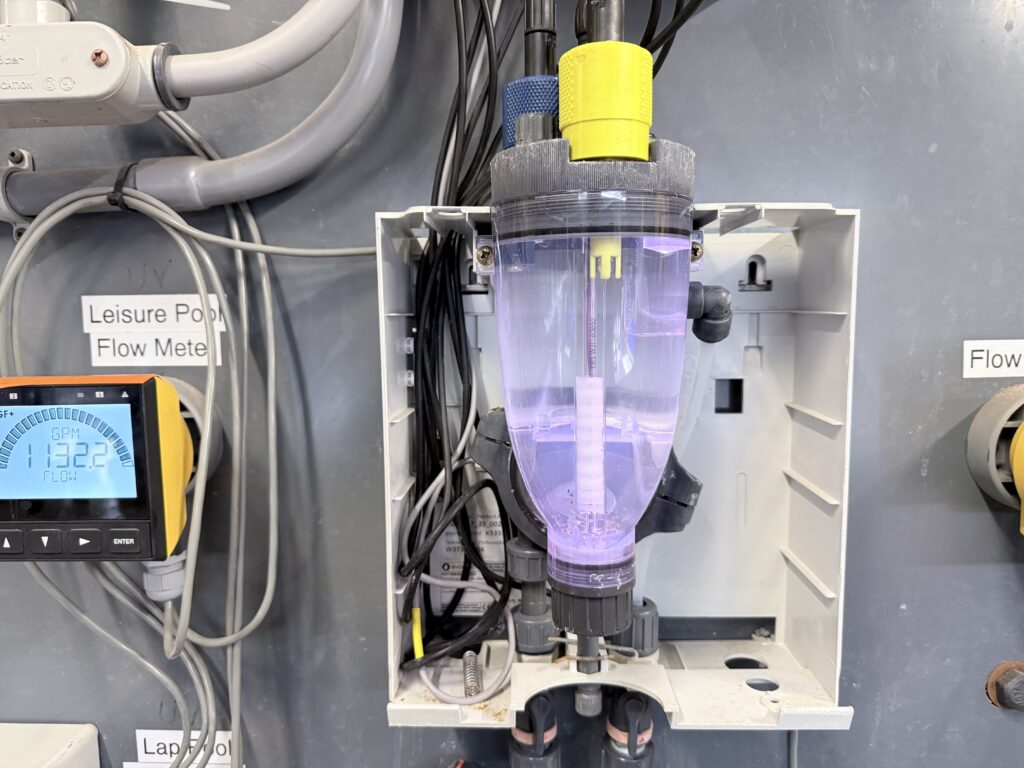
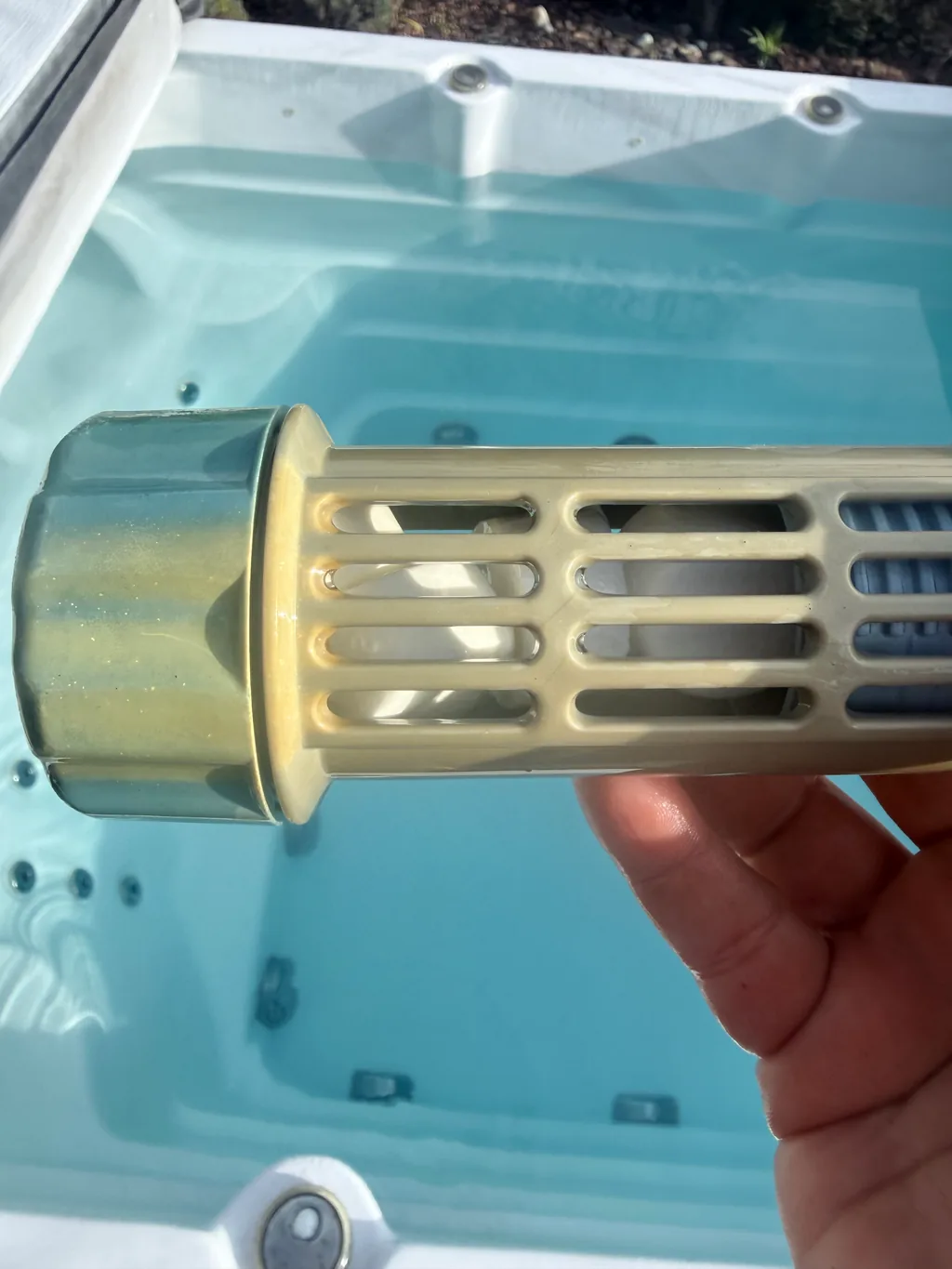
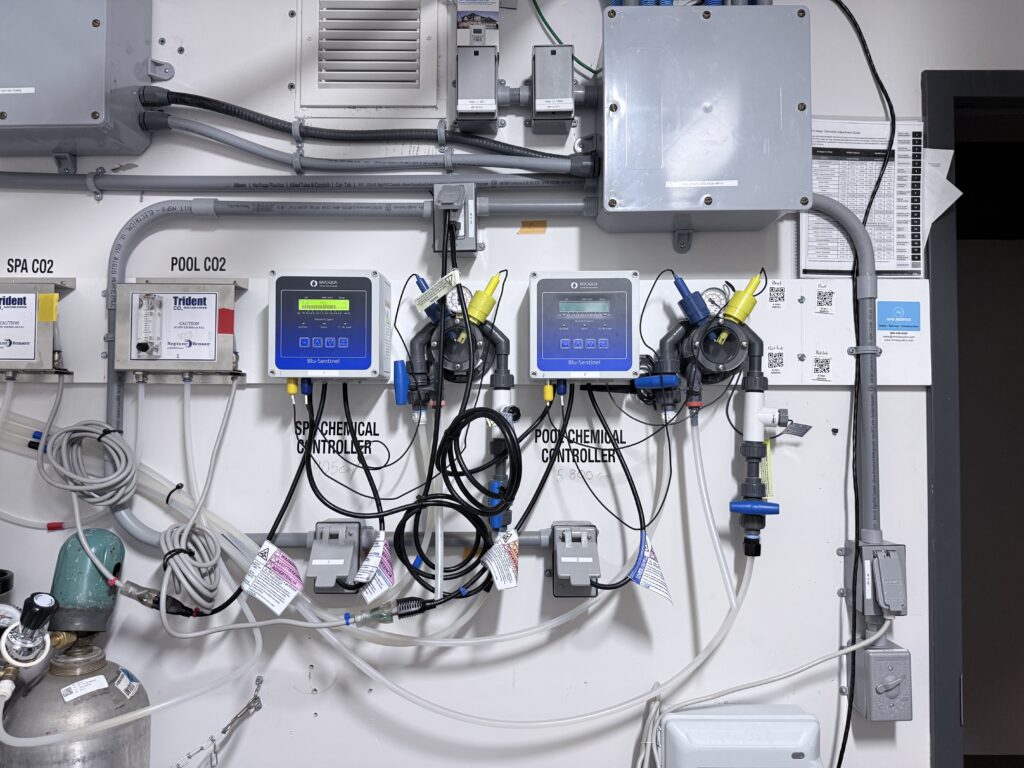
On existing pools, the highest-value work is often at the equipment pad: converting a single-speed pump to variable speed, replacing an undersized or failing filter, adding a salt chlorine generator, or wiring in an automation panel that runs circulation, heat, lighting, and water features on a schedule. The equipment, sensor, and controller photos show this category of job.
Most pools we build or renovate stay on a recurring service schedule afterward — water testing and balancing, filter cleaning, chemical-feed refills, and equipment inspection, with a written record each visit. Catching a seal leak or a drifting sensor early is far cheaper than the failure it turns into.